“Menstrual hygiene can be a matter of life and death.”
God created females differently giving them the bigger share of pain. This pain gets even worse in the case of females in impoverished households.
Their menstrual needs are often overlooked and at certain places and cultures menstruation is often considered a taboo and is not very openly discussed. What is often not realized is that menstruation is just as natural as hunger and needs to be attended with the same kind of urgency. For women who do not have access even to healthy food, menstrual hygiene usually doesn’t even come into picture and Sanitary pads are a luxury they cannot imagine to afford.
“An average woman menstruates for about 7 years during her lifetime.”
Period poverty is a public health crisis owing to the risks of using unsafe alternatives like rags, towels or reusing menstrual products during periods resulting in urogenital infections leading to severe health impacts. Cultural stigma is at the root of period poverty in India. In many parts of India, menstruating women are considered to be “impure,” and periods are termed “shameful.”
“40% of girls in India resort to missing school during periods because of social stigma, isolation, and embarrassment.”
The idea of impurity often creates an obligation for families to keep women and girls away from other Many girls and women avoid school and work during periods in the absence of access to proper sanitary products or inadequate restrooms and washing facilities.
“1 out of 5 rural girls drop out of school after they start menstruating.”
On the average, out of around 335 million menstruating Indian women, only 36% have access to menstrual pads.
Lack of Information of information is another massive factor. Girls who are never told about periods tend to be terrified when it first happens to them.
“23 million Indian girls drop out of school annually due to lack of proper menstrual hygiene.”
There are have been unfortunate instances that make addressing this issue crucial beyond expression. A 12-year-old girl jumped off the roof of her house after being publicly insulted by a teacher for staining her clothes with blood.
“80% girls still use homemade pads.”
Another cause is the extremely poor hygiene standards in impoverished communities. For many, menstrual hygiene is simply non-existent. Scarcity of clean water, lack of menstrual products, and proper toilets make matters even worse.
“Lack of Basic menstrual hygiene is the fifth biggest killer of women.”
It is unfortunate that menstrual products are still not considered essential items in India. Every woman deserves access to proper supplies to handle her bodily needs.
“Most rural women and girls use the same dirty cloth over and over leading to Urinary Tract Infections.”
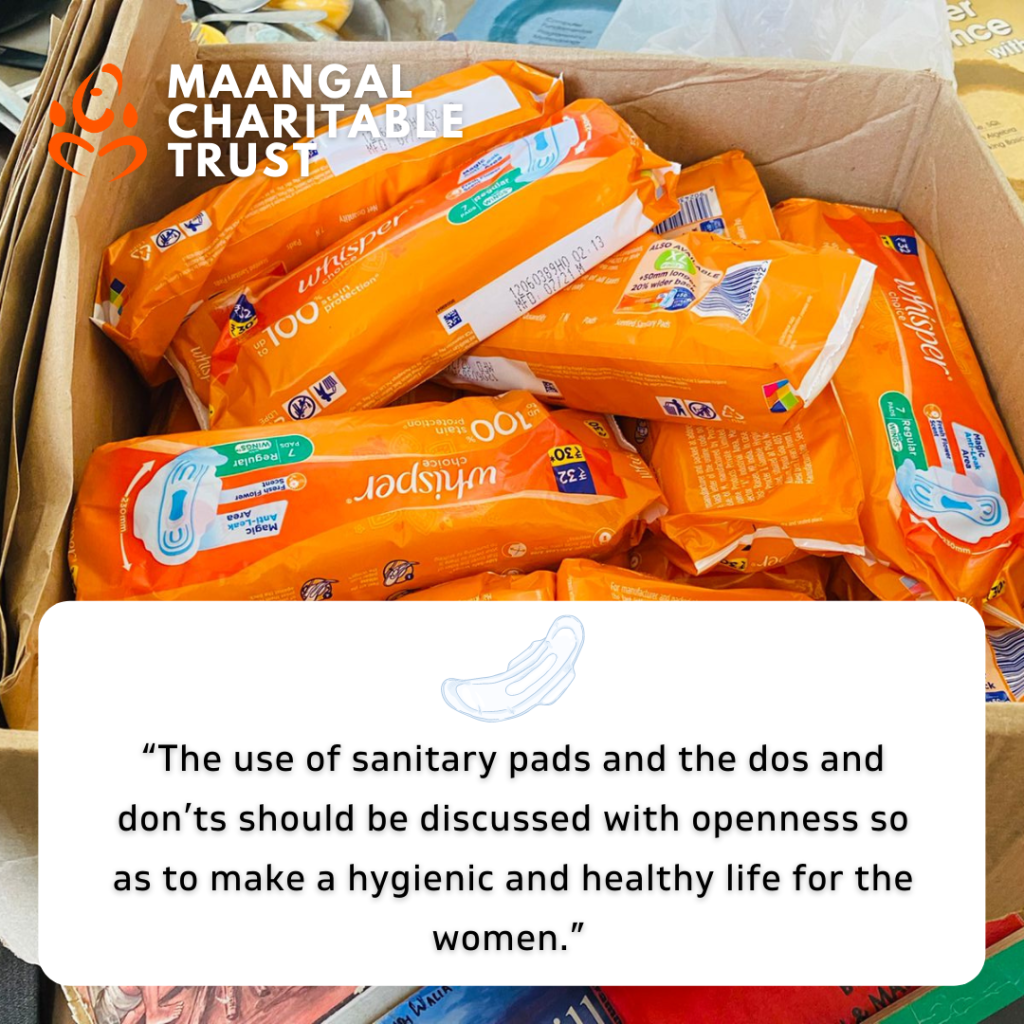
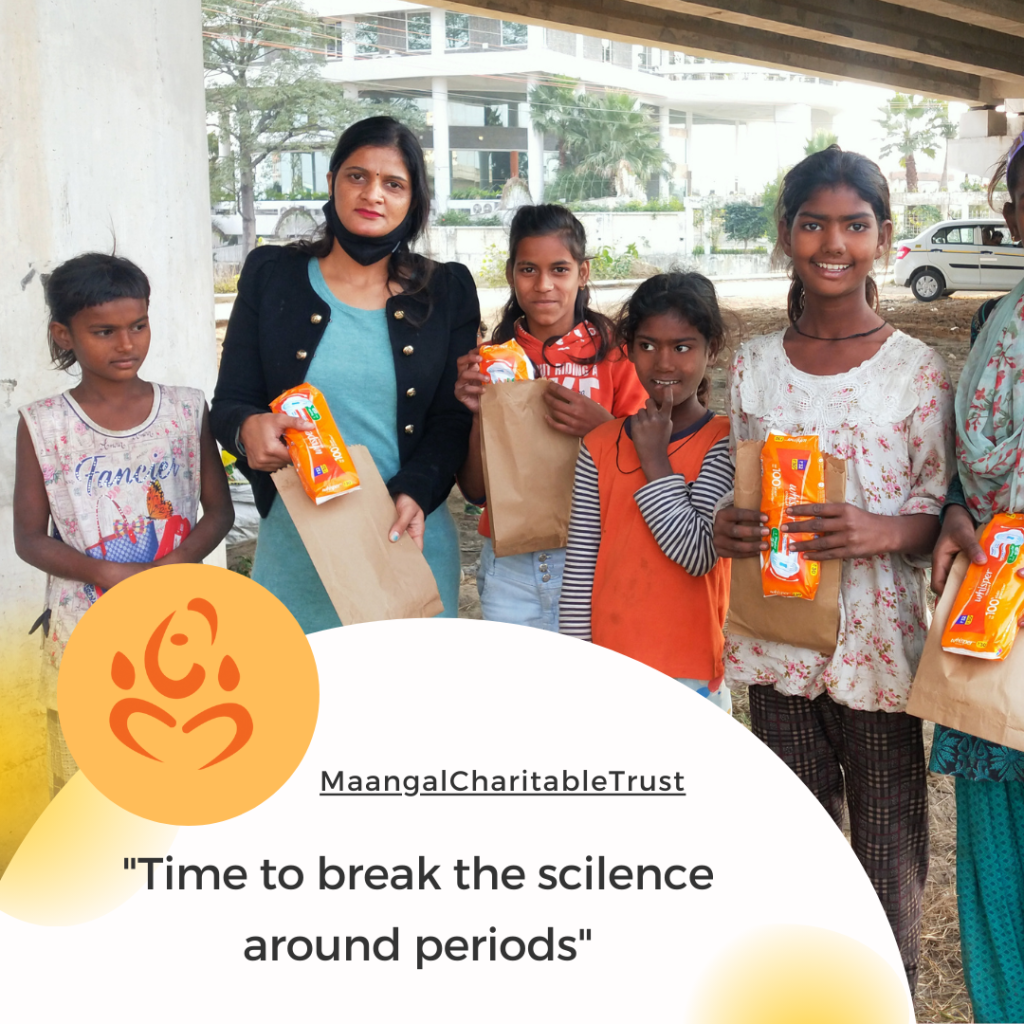
Helping these young women out of this period crisis is our responsibility. We are running a program for the distribution of sanitary napkins to these women and girls. We aim to expand this practice so that a greater number of underprivileged females can benefit from it. In time, these women will be trained to make sanitary pads at home. So, they can use it even as a source of livelihood besides helping other women like themselves.