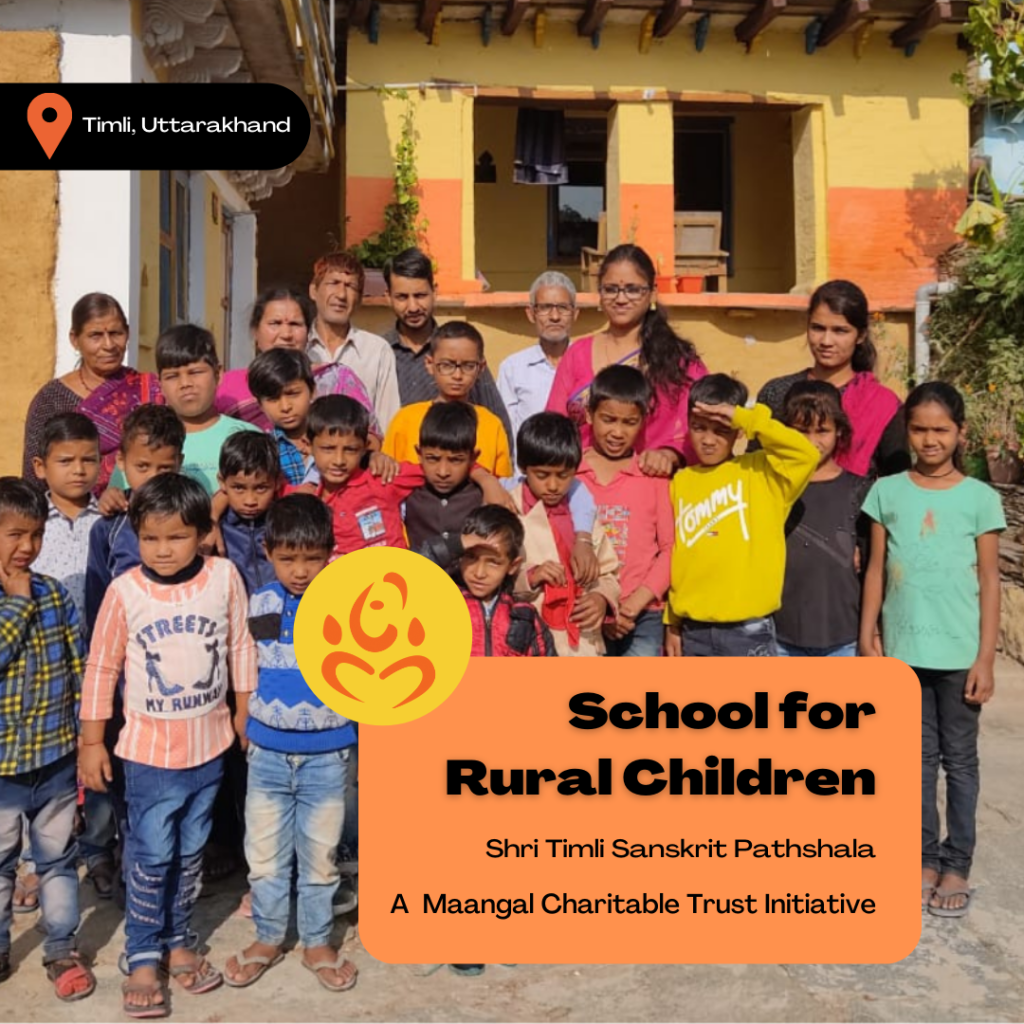
Although education is supposed to be a Fundamental Right, it still remains a distant dream for many children in India.
“Education should be accessible to all if democracy is to Succeed.”
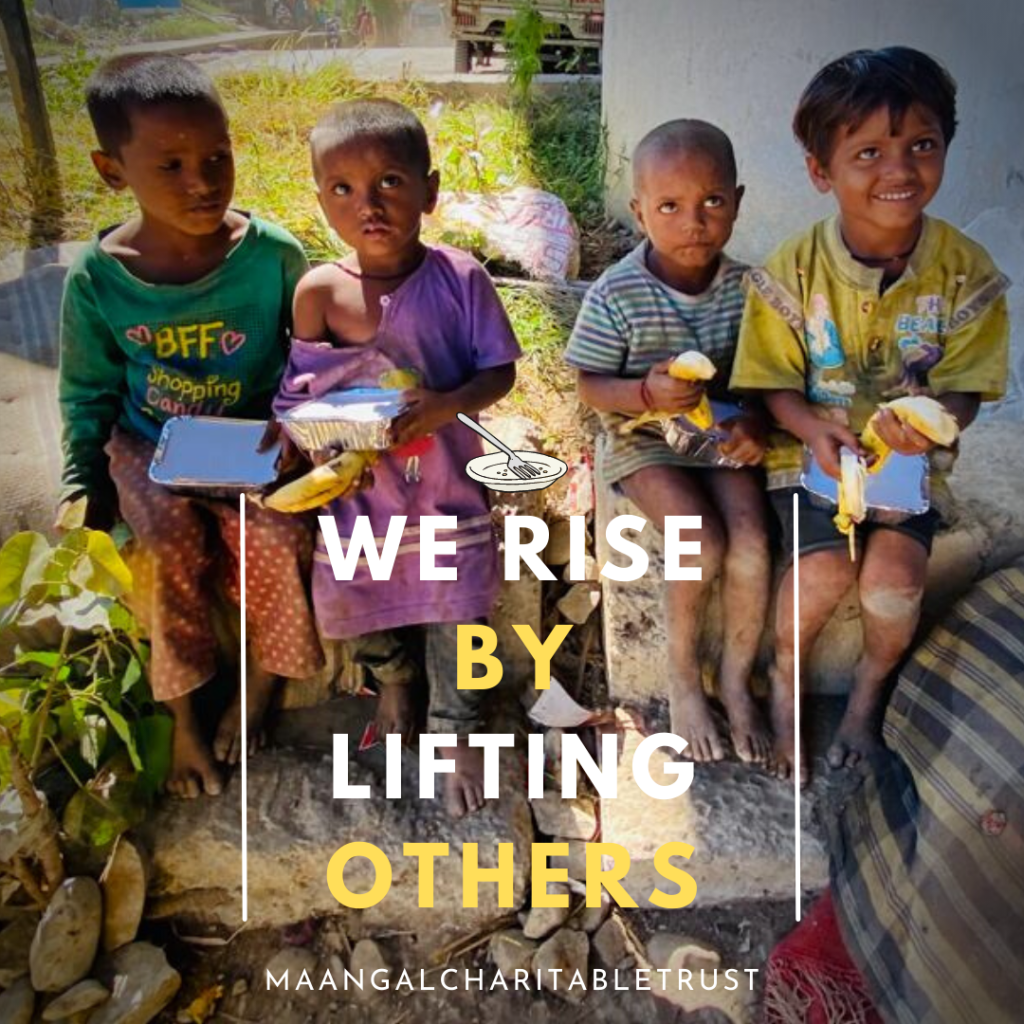
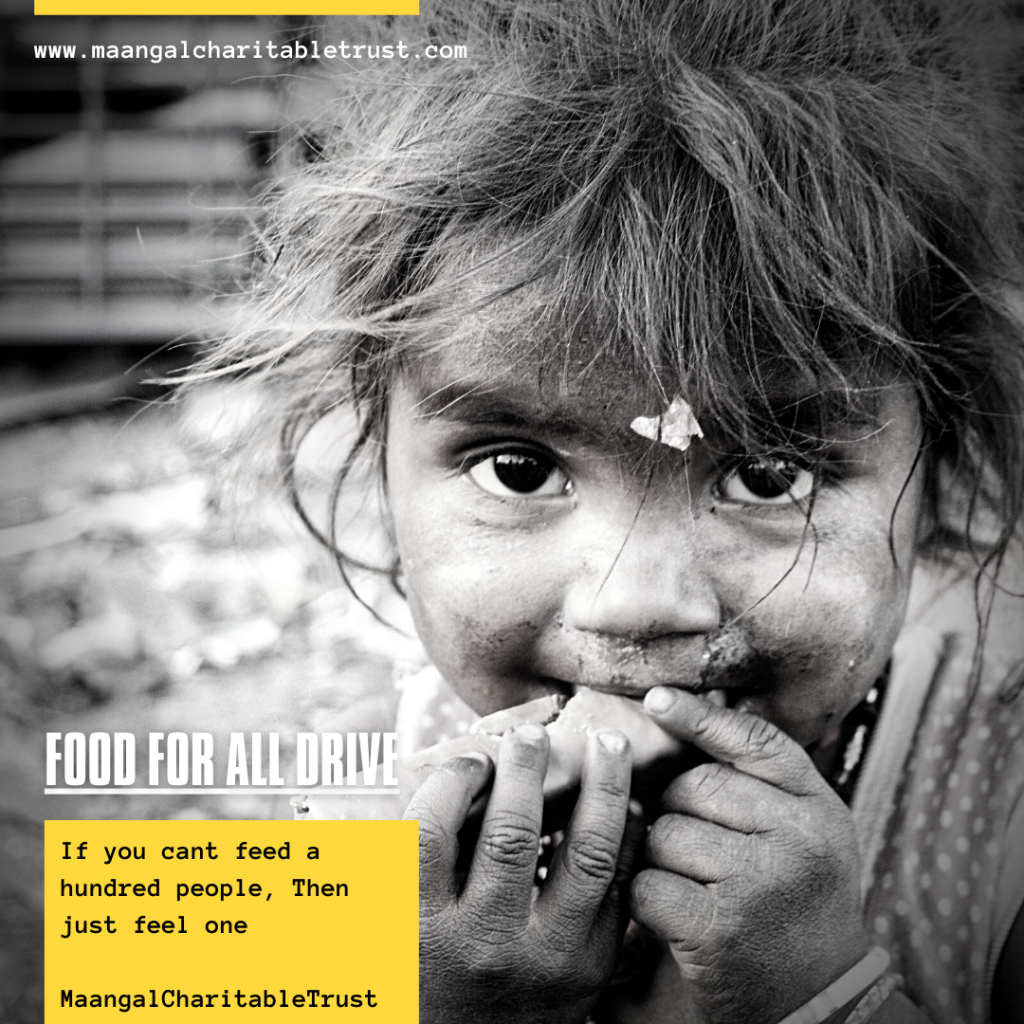
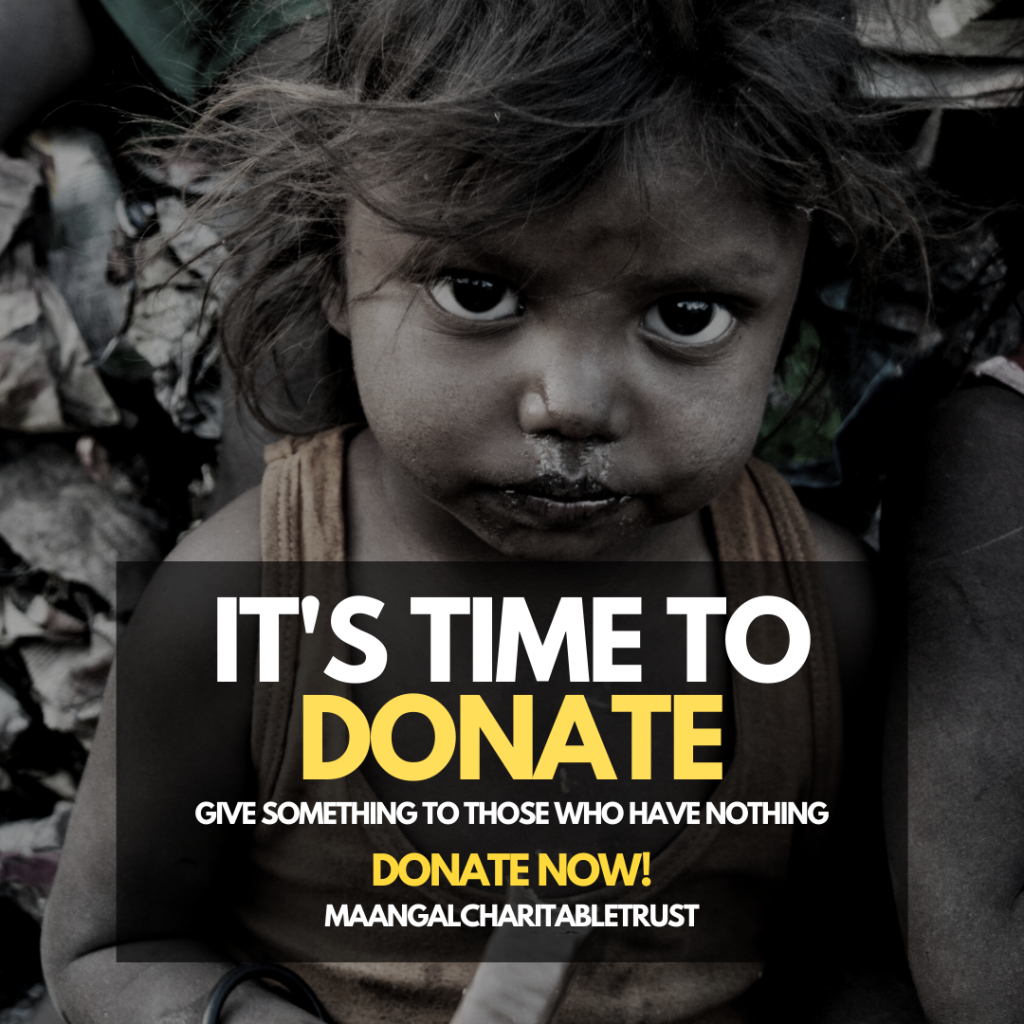
In India, poverty affects a large portion of people but its effects are seen most in children. With around 1.21 billion people in the country living below the poverty, the children are sure to bear the consequences of it. Having denied access to the basic rights of laid down in the Constitution of India, these children often go hopeless.
The role of education in reducing poverty is substantial. Education paves the path to newer ways of thinking. It is the first step to understanding the difference between virtues and vices.
Primary education in India is recognized as a basic human right and necessary for the development of both the individual and the society.
Studies suggest, what a child learns in its early years is retained forever. However, children from families living below the poverty line are less likely to have this privileged. Moreover, parents who haven’t received proper education themselves often fail to understand the importance of education. They are hesitant to “waste” money on study material and schools.
“Less than half of India’s children between age 6 to 14 go to school”
The economic condition in which the poor survive forces them to live from day to day. They want to but fail to plan for the distant future. Thus, investing in education becomes a no go.
“32 million children of age up to 13 years have never been to any school”
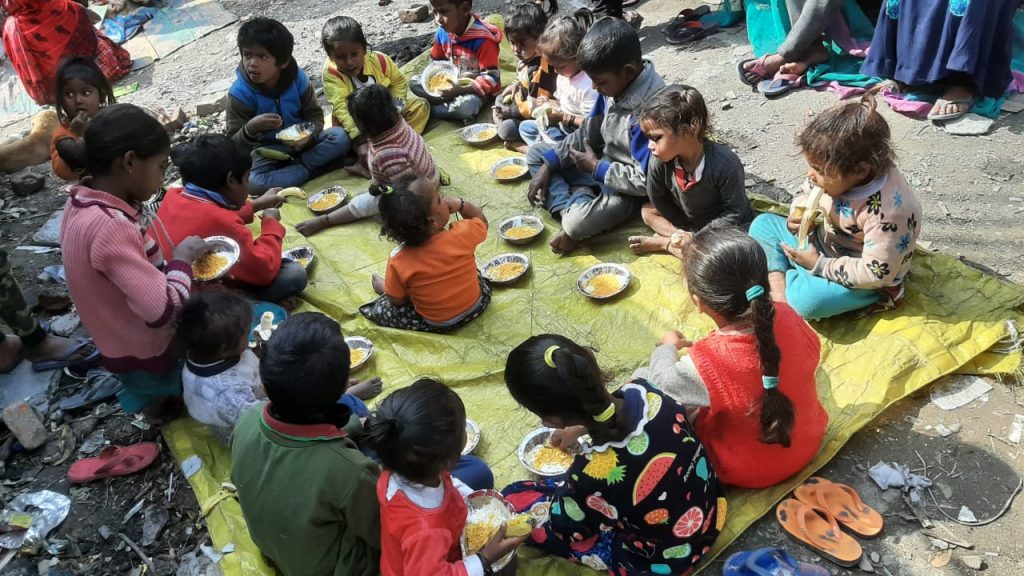
There are innumerable children from deprived families with no access to books and formal education. Hunger, illness and insecurity disturb their lives back home. Their parents have to use most of their energies and funds in to deal with everyday emergencies.
“53% girls in the age group of 5 to 9 years are illiterate.”
Life under poverty is unpredictable and vulnerable to sudden losses. These people often have their homes on the banks of contaminated rivers and garbage heaps. These rivers might flood their houses during rains. There is nothing better they can do than deal with it. What happens to education is a remote concern.
Poverty also has a corrosive effect on children’s mental and grasping capacities. Frequent illness and inadequate nutrition are common among those who live in such conditions.
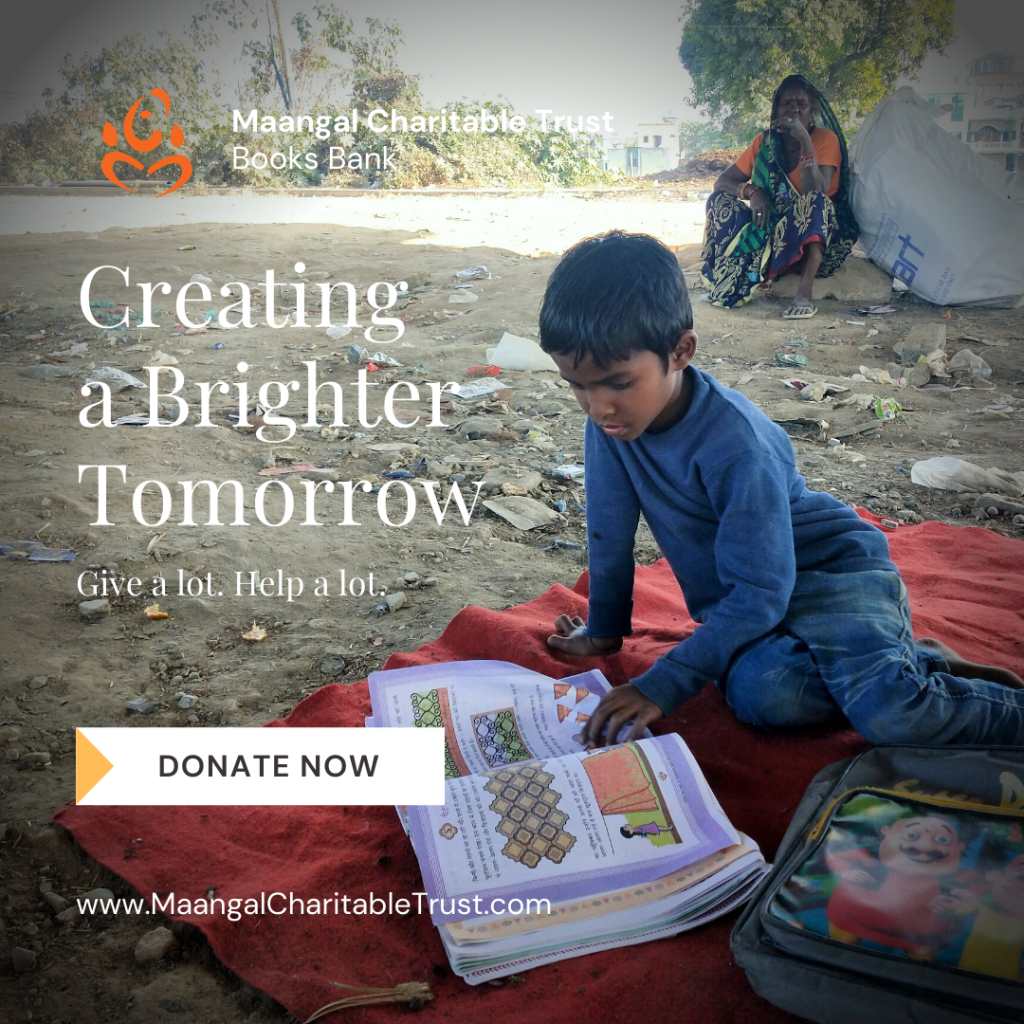
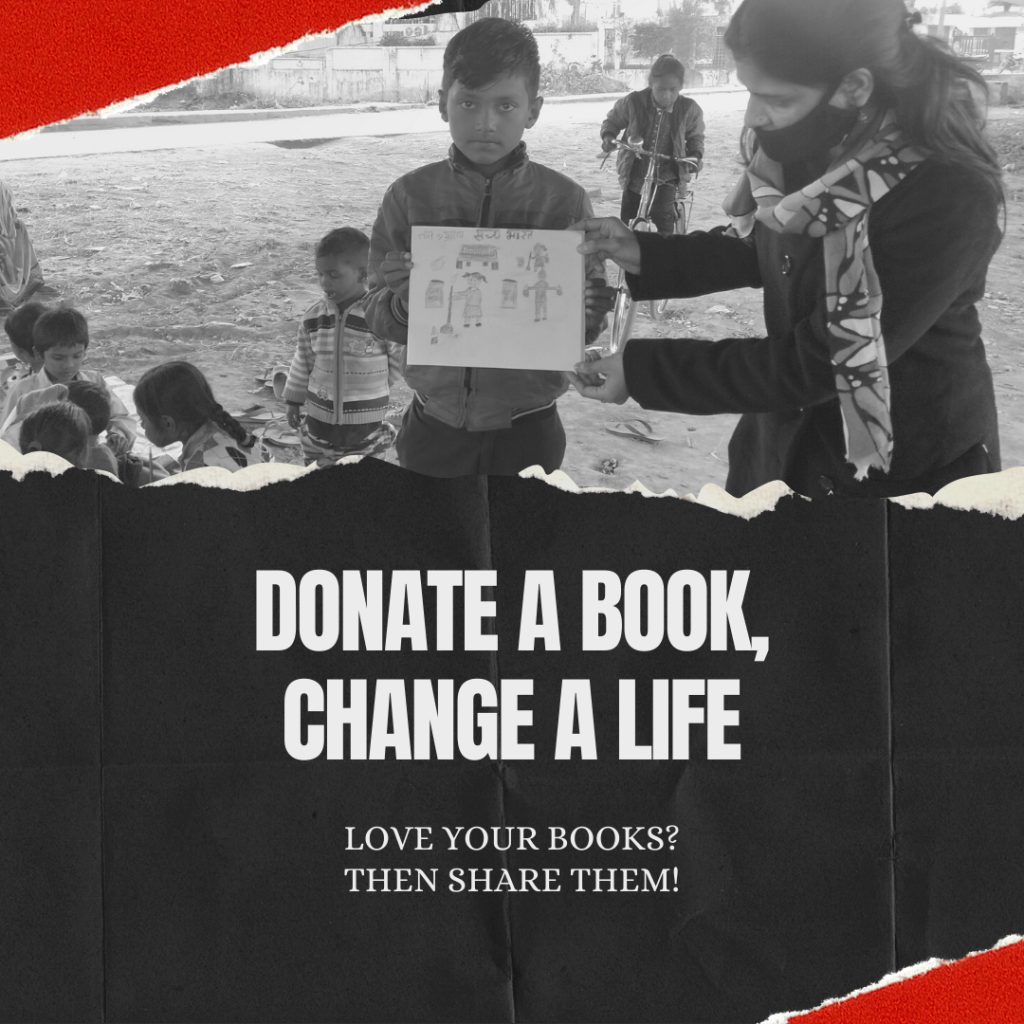
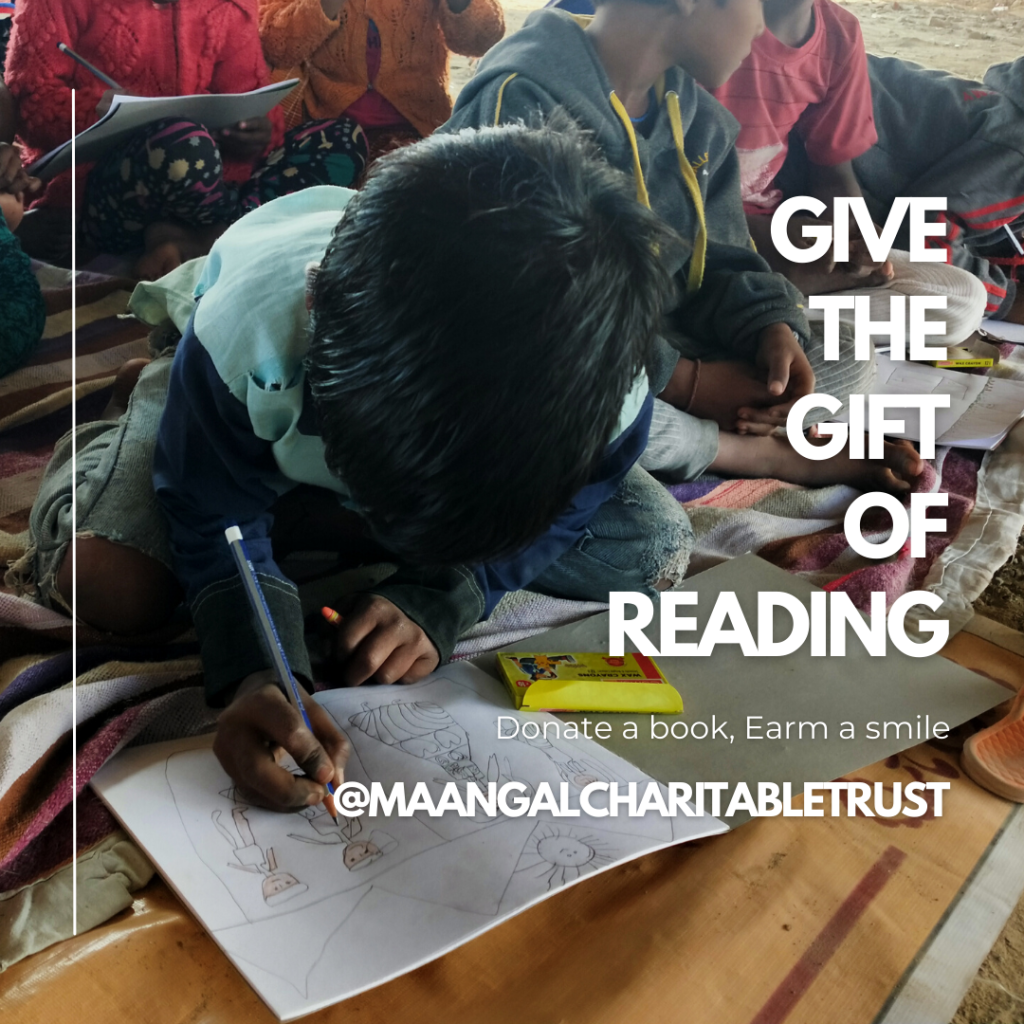
To help alleviate these children’s hardships, we are running a book donation campaign. This includes books and stationery of all kinds that they might need. People generally discard or sell their children’s old books and notebooks at meager prices.
“What’s no use to Someone anymore, might be Someone else’s Treasure”
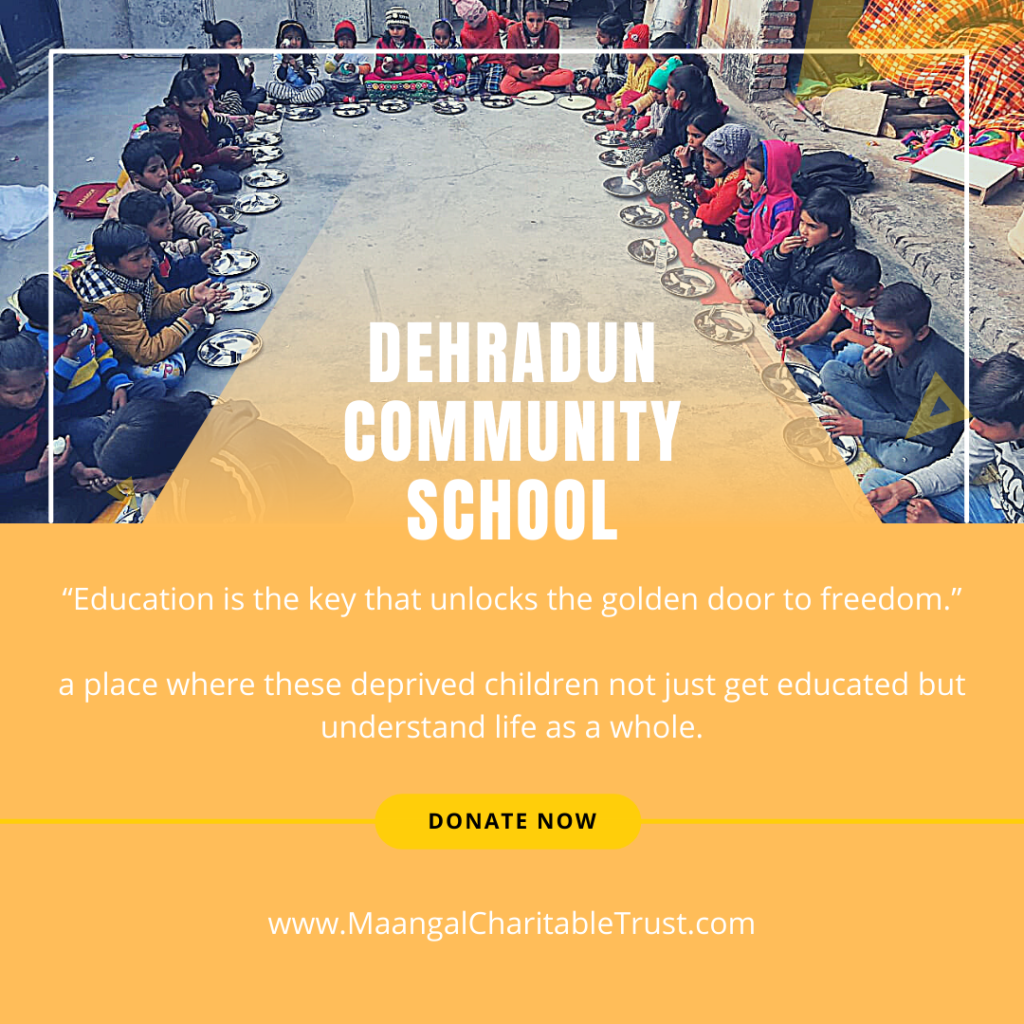
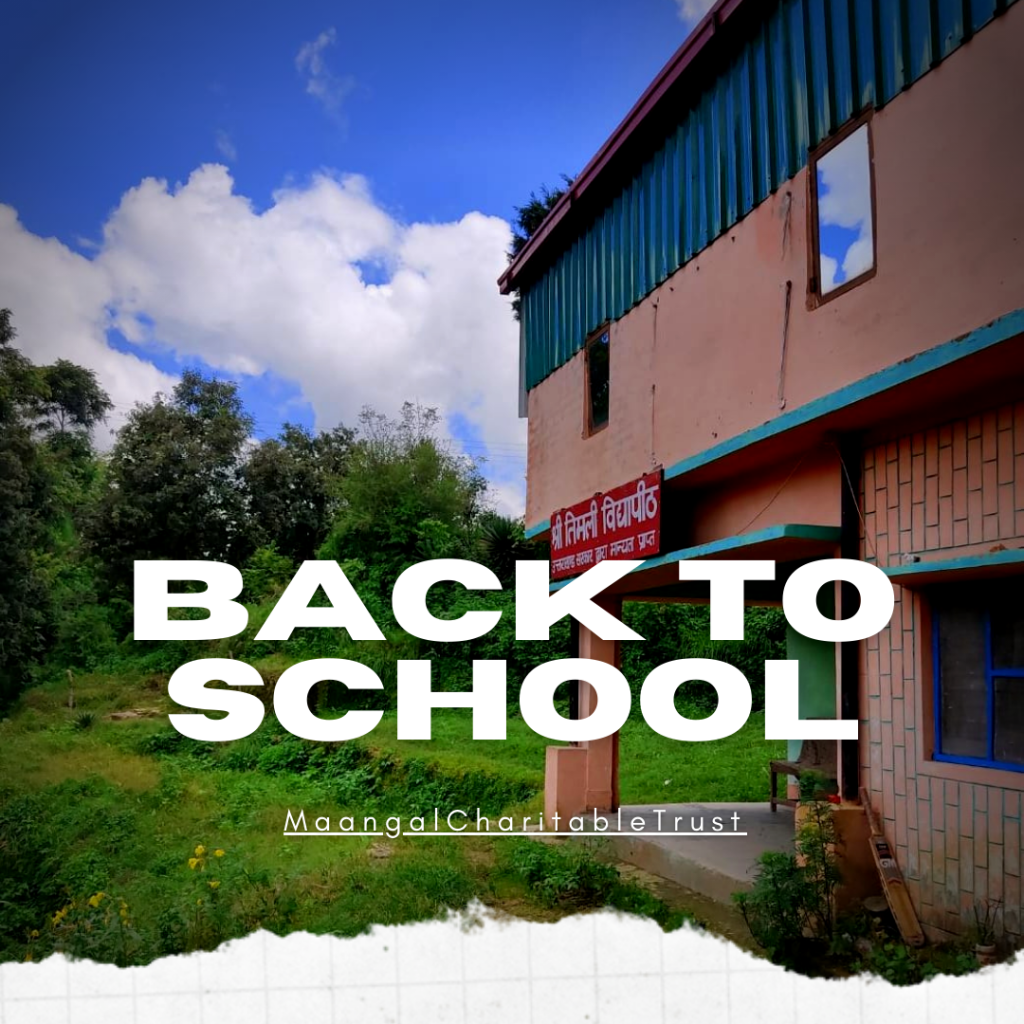
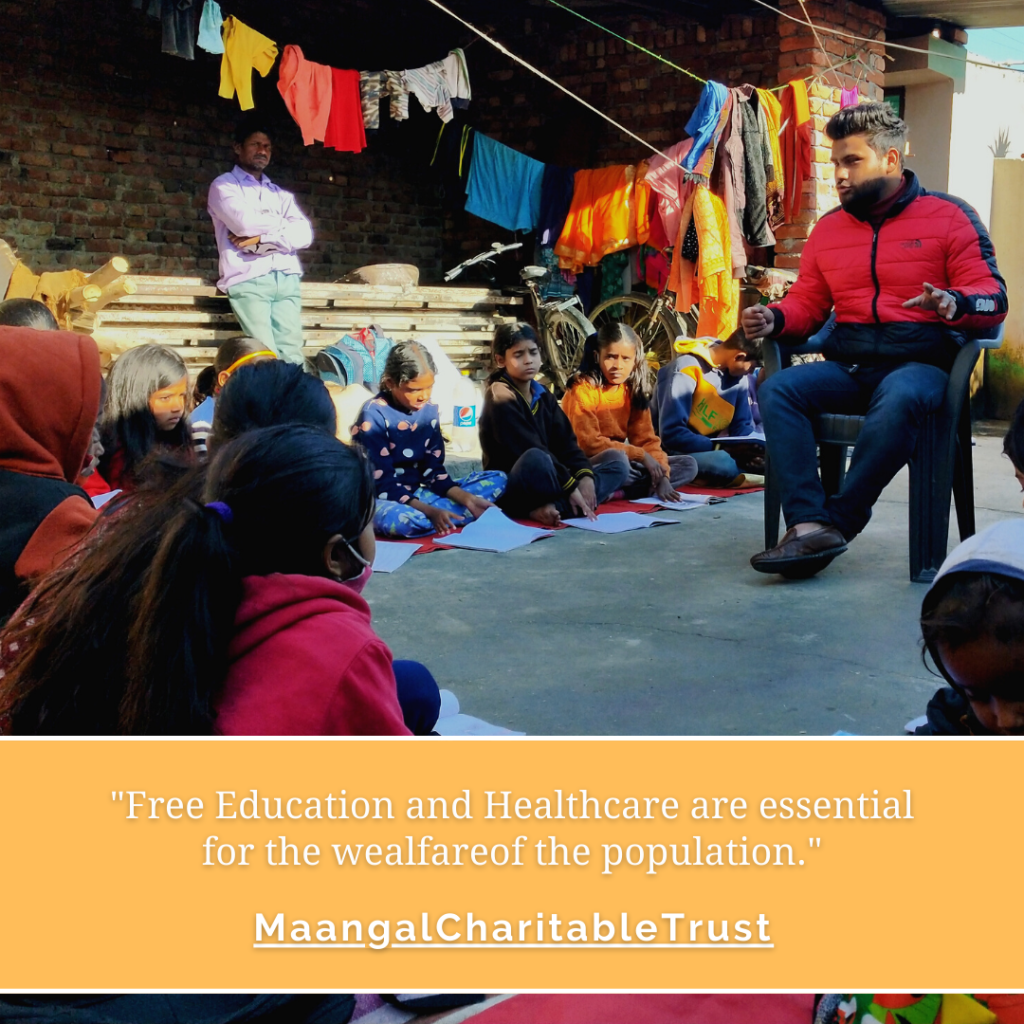
We aim at collecting these books through ‘Books Collection Drives’ and provide them to the ones in need. Our aim is to establish a ‘Book Bank’, so that these children can have access to books of all kinds like course books, storybooks, coloring books etc. and discover newer vistas of life. Further, we have a community school running in Dehradun to help these kids with their educational needs.