“Cold does not kill people, Lack of Clothing does”
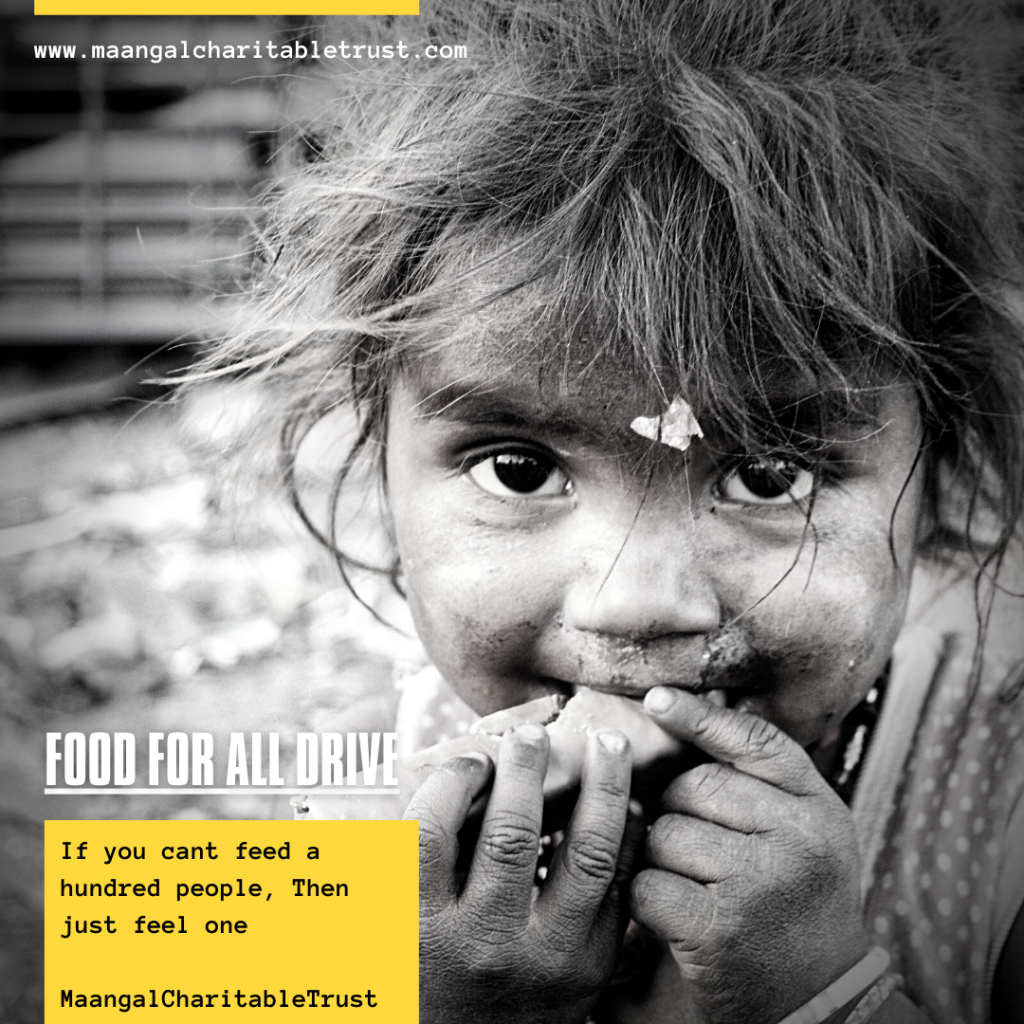
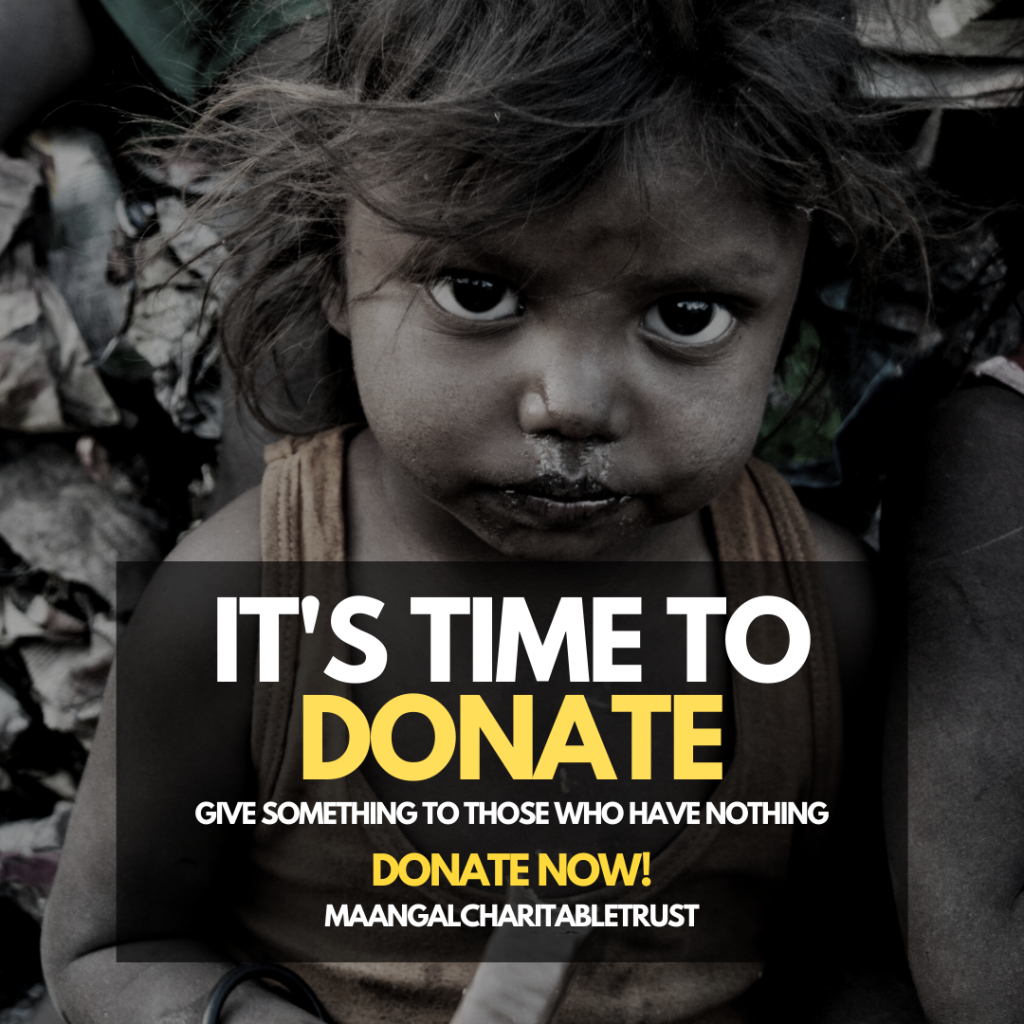
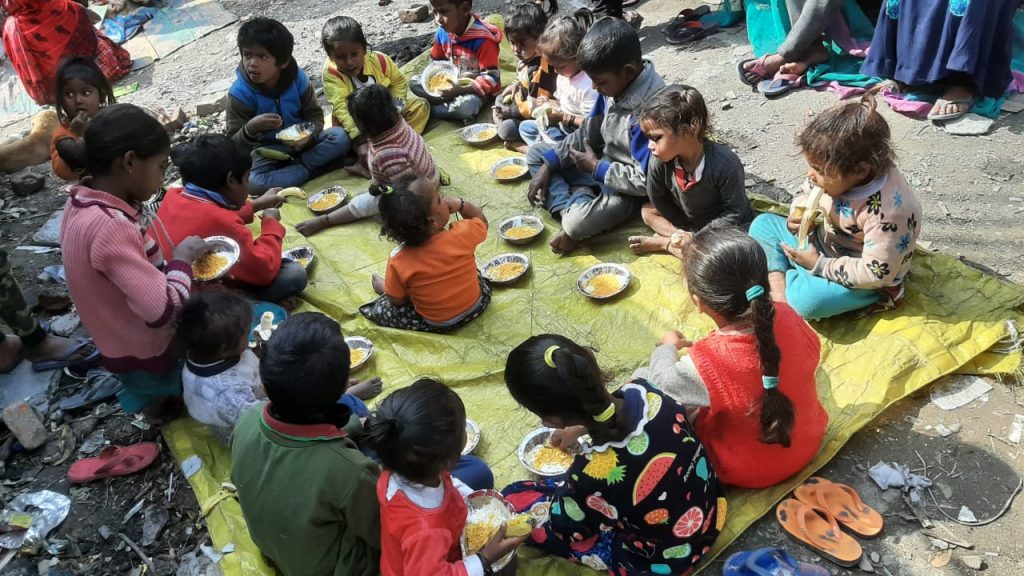
Winters can be very harsh especially in northern India. On chilling winter nights when most of us are cuddled up in our cozy warm beds and quilts, many children lie almost naked on roadsides with the sky as their only cover.
The news of people dying on the roads are not uncommon, once the cold gets severe. Stats reveal that cold waves are the second biggest cause for deaths in the country, after lightning strikes. According to figures, 826 people died every year due to harsh winters in India till 2007. This number exhibited a rise after 2007 due to the dropping winter temperatures in the upcoming years. As many as 10,740 people died from exposure to cold between 2002 and 2012. Hundreds of winter deaths a year are considered clearly no cause for alarm and nobody bothers to get to the root cause.
Sadly, these deaths are rarely reported or this number could be even higher.
“Around 800 people die every year in India due to cold waves.”
Winters are no less than a natural disaster for people who are compelled to sleep on the streets in tattered clothes.
“More People Die due to lack of clothing than due to Natural disasters”
Think of those who hardly have full-sized clothing to cover their skin exposed to the chill of the harsh winter air. Threadbare and torn clothes are the most evident sign of poverty. Besides being the first visible sign of poverty, lack of clothing is also the reason people succumb to cold waves.
“Most poor people have 1 or 2 pieces of clothing.”
Many poor households have no quilts or mattresses. They fill a sack with dried grass/husk and sleep on it with a fire burning right next to it.
Most have shacks or tents for homes and rags for clothes.
For people who often don’t even have enough to eat, Clothing is usually a secondary struggle. These people either put their lives in danger of these fires, or remain awake the whole night next to the community fireplace going to sleep only in the morning. This often costs their income and livelihood.
We believe that all of humanity has a fundamental right upon the resources of the Earth.
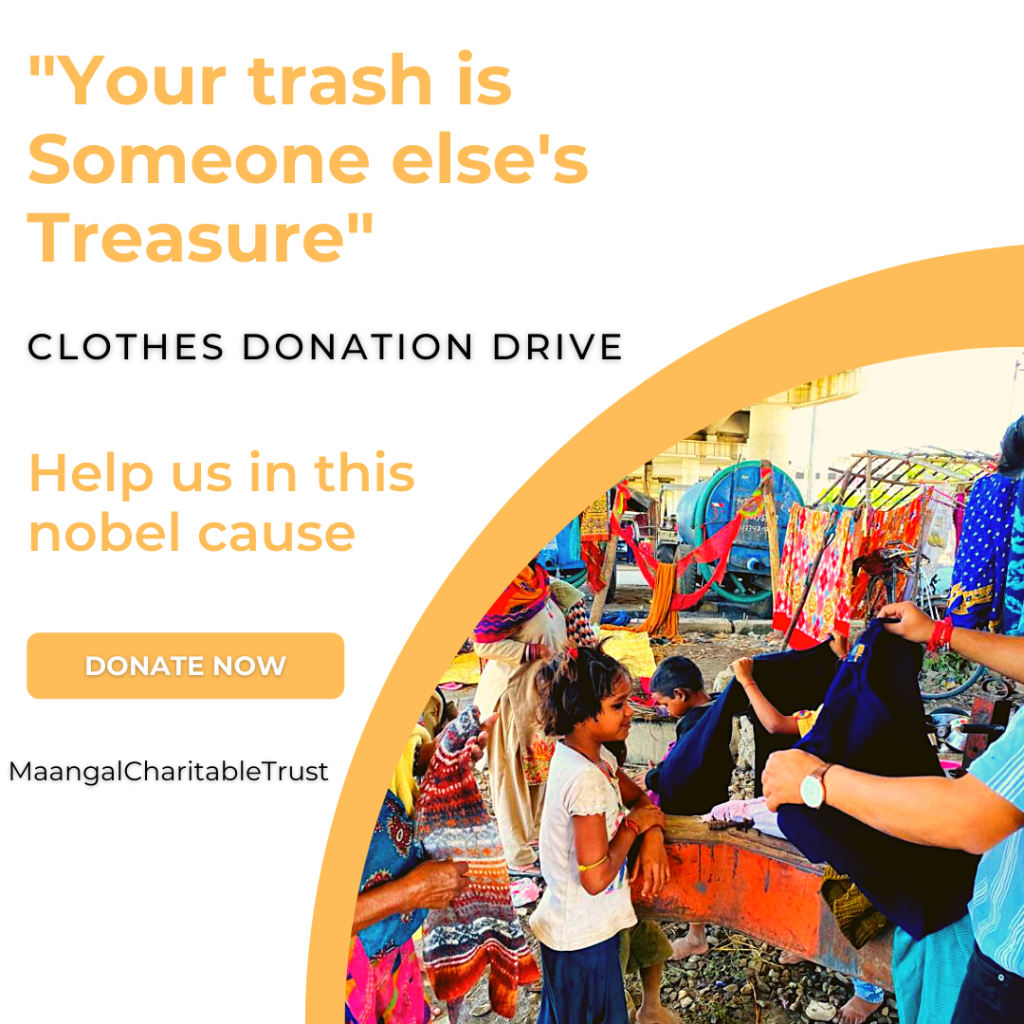
All of us are aware of the wide gap between the rich and poor in our society. We look forward to bridge this gap. Each household contains clothes that are either totally discarded or no longer used.
“What’s waste for you might be as good as new for somebody else”
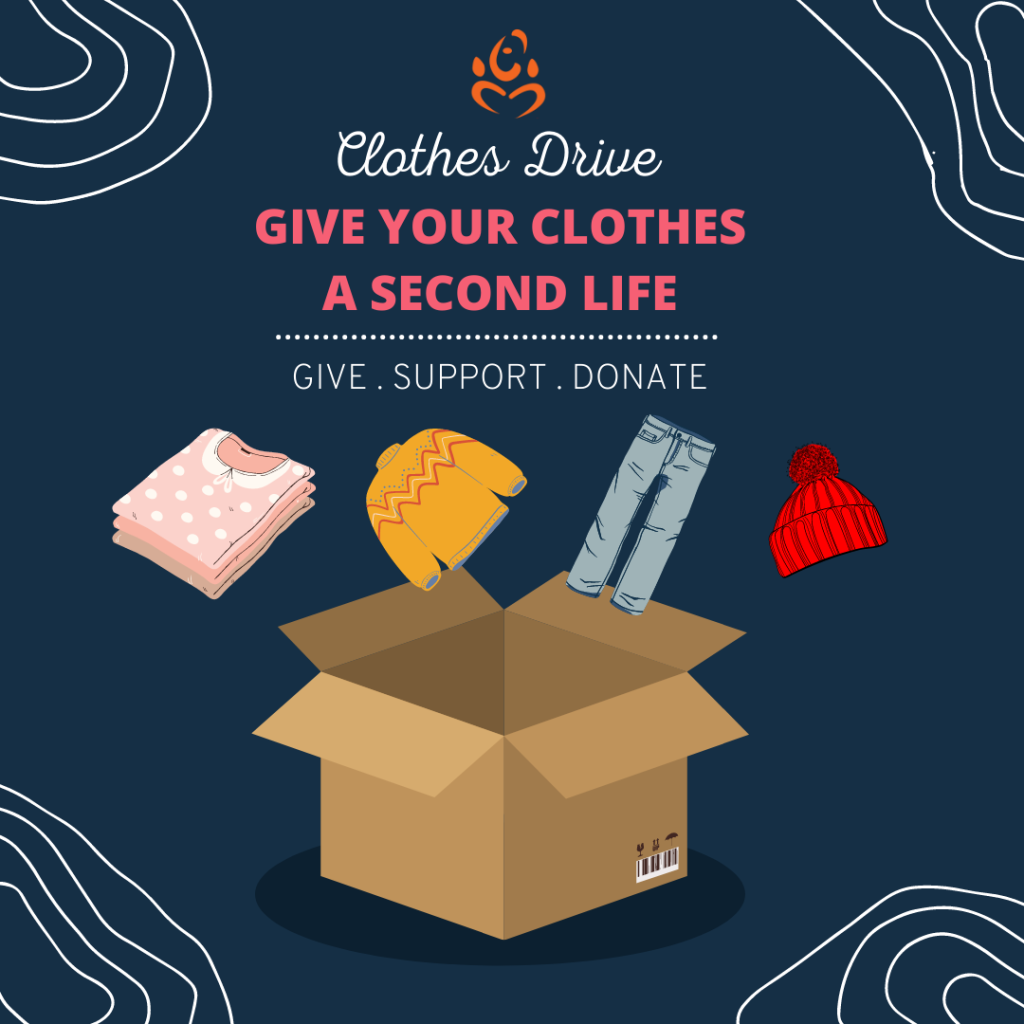
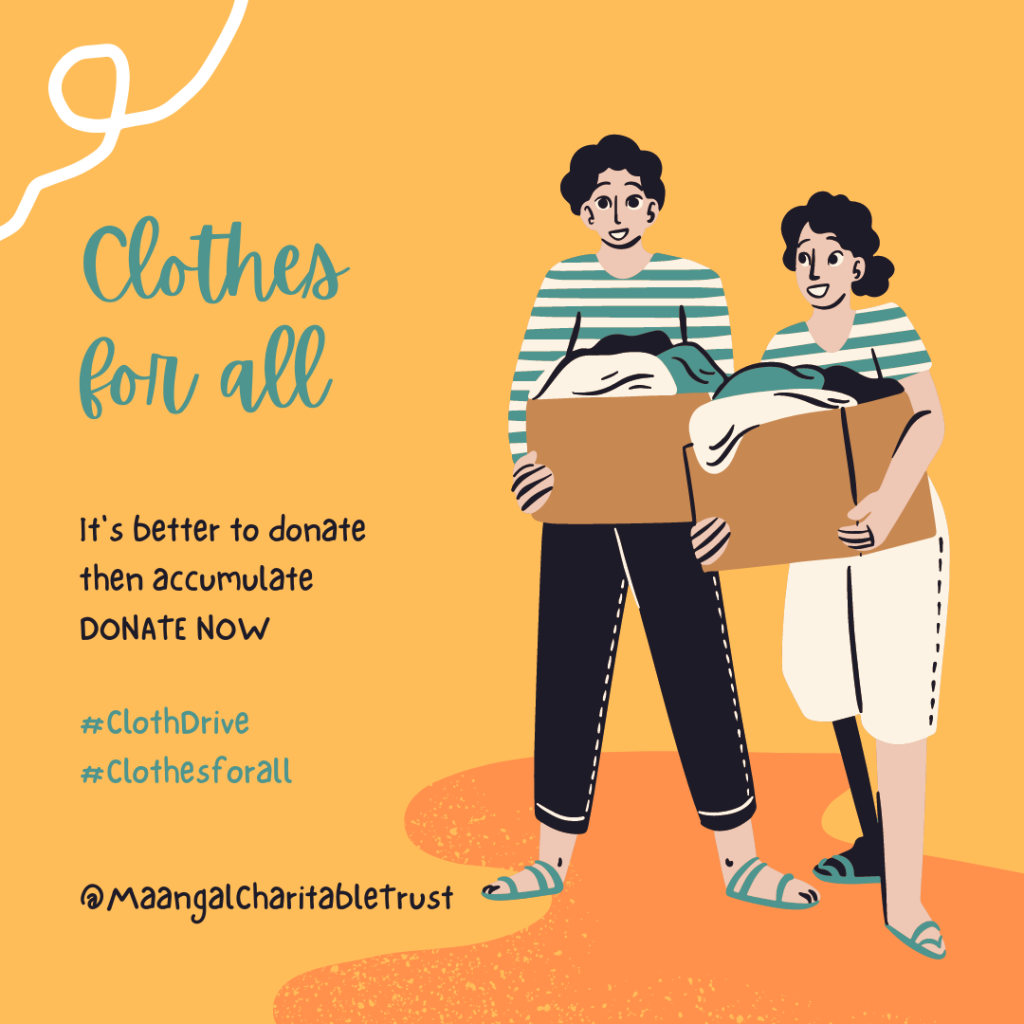
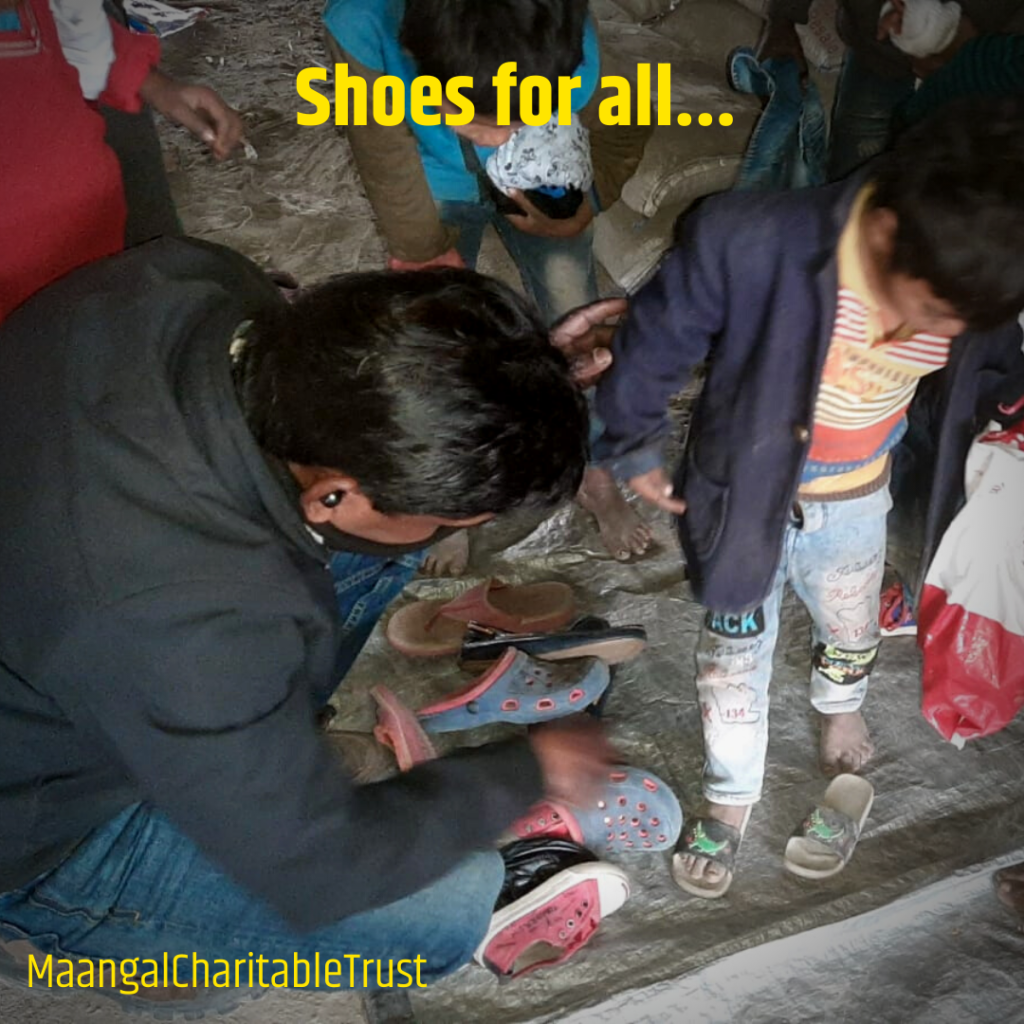
We are running ‘Clothes Collection Drives’ all over the city. Our volunteers personally visit and collect the clothes at the donor’s doorstep. If the spare clothes lying in our houses can save some lives, what better way is there to use them.